
Published : 29/07/2026
Salesforce
Agentic AI in manufacturing and energy: transforming frontline operations on Salesforce
Pascal Ternisien
SOL Salesforce Consulting Director at Inetum
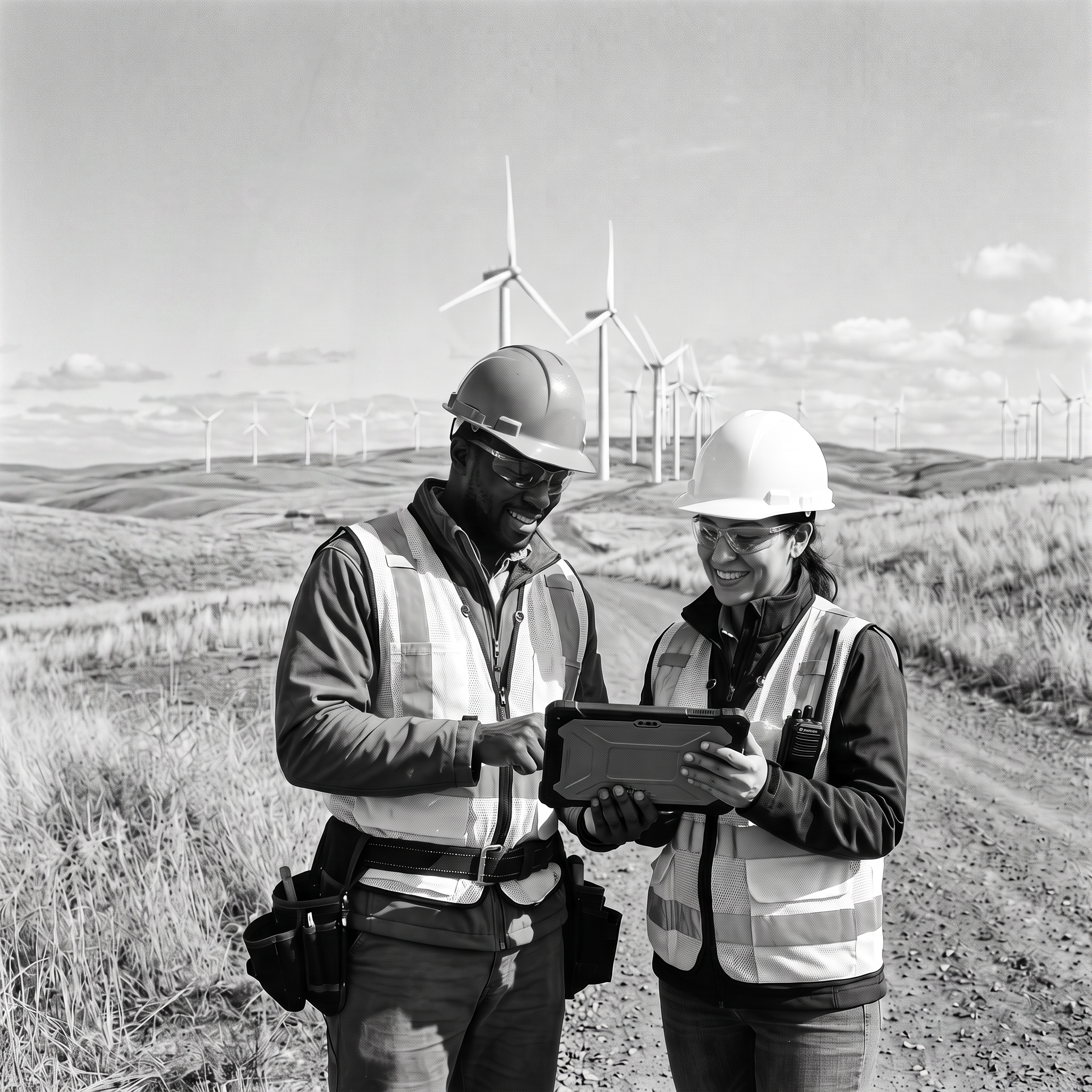
Agentic AI is reshaping how industrial organizations manage field operations, shifting from systems that simply inform to systems that actively execute. In manufacturing and energy, this evolution addresses a familiar gap: operational complexity continues to grow, while legacy systems often fall short of supporting real-world needs. In environments where coordinating technicians, optimizing routes, and resolving complex service issues remain daily challenges, this approach enables organizations to automate decisions and carry out tasks end to end. The result is not just efficiency but a more consistent, controllable operational model.
Service planning, in many cases, is still manual or only partially automated. That leads to inefficiencies in routes, response times, and skill allocation. Field technicians are expected to solve increasingly complex issues, often without immediate access to updated documentation or a full asset history. After each intervention, administrative tasks like reporting, spare parts management, customer sign-off, and billing coordination consume valuable time. On top of that, customer, asset, contract, and machine status data frequently remain fragmented across systems that do not communicate with each other.
Agents that execute, not just analyze
Agentic AI introduces a different paradigm. These systems are not limited to analyzing or recommending actions; they execute them directly within operational processes. This marks a clear shift from traditional automation. Instead of stopping at insights, agent-based systems operate within frontline workflows, supporting the full service lifecycle.
Before a service visit, the system can analyze asset history, detect recurring failure patterns, and anticipate maintenance needs before breakdowns occur. During the intervention, it guides the technician with context-aware procedures tailored to the specific machine and customer, suggests next steps and required parts, and can escalate the issue to a remote expert when needed. Once the work is complete, the system automatically generates reports, captures customer signatures, updates the asset record, and notifies relevant internal teams. The technician spends more time focusing on the actual work, while the organization benefits from improved traceability and operational consistency.
A connected architecture built for execution
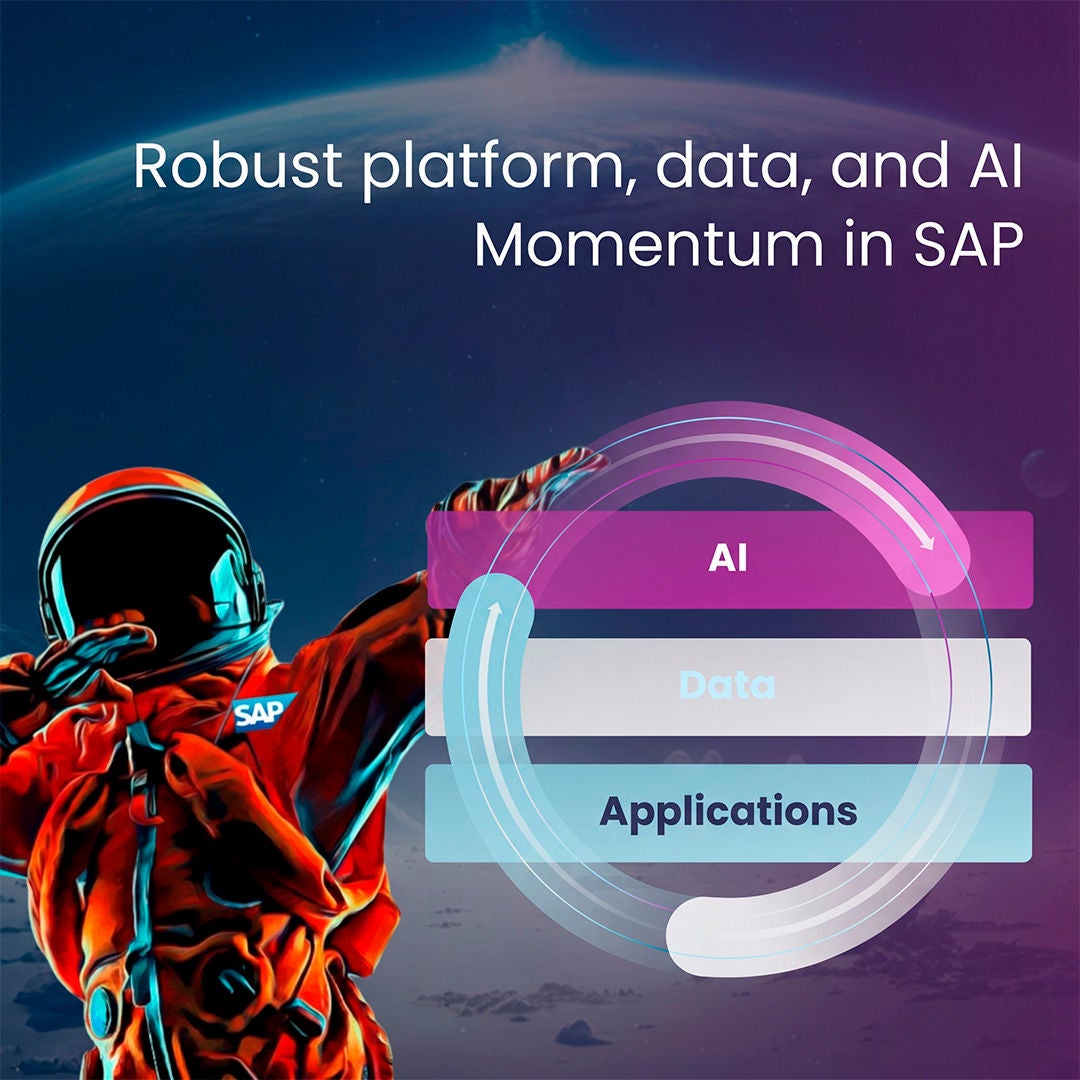
To support this type of operation, Salesforce structures its approach into three integrated layers that align data, processes, and execution. At the foundation is Salesforce Data Cloud, which unifies information from multiple sources without requiring full system replication. It integrates data from ERP systems, SCADA platforms, IoT environments, and other components of the client ecosystem, creating a single, up-to-date operational view.
On top of this data layer sit the business processes. Manufacturing Cloud and Energy & Utilities Cloud provide industry-specific models, including industrial asset management, service contracts, and capacity planning. Field Service handles intelligent technician assignment, route optimization, and the complete work order lifecycle.
The third layer is Agentforce, which enables the creation and deployment of AI agents capable of executing actions across these processes. These agents can interact with external systems, such as ERP platforms for inventory management, and orchestrate end-to-end workflows across multiple technologies.
Key use cases in field operations
In manufacturing and energy, agentic AI delivers measurable value in several high-impact scenarios. In field service execution, systems can perform pre-diagnosis based on asset history, guide technicians through structured resolution steps, connect them with remote experts in real time, and automate closure processes including reporting and customer validation. In service planning, real-time analysis of availability, location, and skill sets allows for optimized technician allocation based on priorities. This reduces unnecessary travel and improves responsiveness.
In customer service, having a unified view of customers, assets, and contracts before any interaction enables more accurate and efficient responses. Systems can suggest solutions based on previous cases and trigger service orders directly. In commercial processes, automation supports report generation after visits, identifies next steps, and prepares follow-up communications. Tasks that previously required up to 45 minutes of administrative work can now be completed automatically.
Operational impact that can be measured
The benefits of this approach are tangible across key performance areas:
- Reduced unplanned downtime
- Higher first-time fix rates
- Increased technician productivity
- Improved customer experience
- Greater real-time operational visibility
Field teams regain time to focus on higher-value tasks, while organizations gain better control and alignment across operations.
Risks that must be addressed early
Despite its potential, deploying agentic AI requires careful consideration. Data quality remains the most critical factor. Systems operating on incomplete or outdated information will make incorrect decisions. Ensuring data reliability is a prerequisite before deploying agents at scale. It is equally important to define clearly which actions the system can execute autonomously and which require human validation. Over-delegating control without proper oversight is a common mistake.
Another consideration is that automation, while accelerating execution, does not replace the relational aspect of industrial service. Customer trust continues to be a key differentiator. Finally, the token-based consumption model introduces a different budgeting dynamic. Organizations need to plan for usage monitoring and ensure regulatory compliance, including GDPR requirements, in how data is accessed and used.
Scaling from pilot to sustainable deployment
The difference between a promising pilot and a scalable deployment often comes down to the initial approach. Before designing an agent, organizations need to define the value they aim to achieve: higher productivity, better technician support, faster response times, or reduced administrative workload. Clear objectives make it easier to estimate costs, justify investment, and build a realistic roadmap. The second pillar is data. In industrial and energy environments, the first major effort is usually not AI itself, but data integration and preparation. Only with a solid foundation does it make sense to scale progressively, expanding agent responsibilities as value is validated and internal trust grows. Finally, field team involvement is critical. This is not about replacing people but about creating an environment where data, processes, users, and intelligent systems work together. Technology enables faster execution and better decisions. People provide judgment, oversight, and the customer relationship.
That balance is what ultimately drives meaningful transformation in frontline operations.
Explore expert insights and perspectives
- Title
- Description
- Date
























- 1
- 2
- 3
- 4
- 5
- 6